
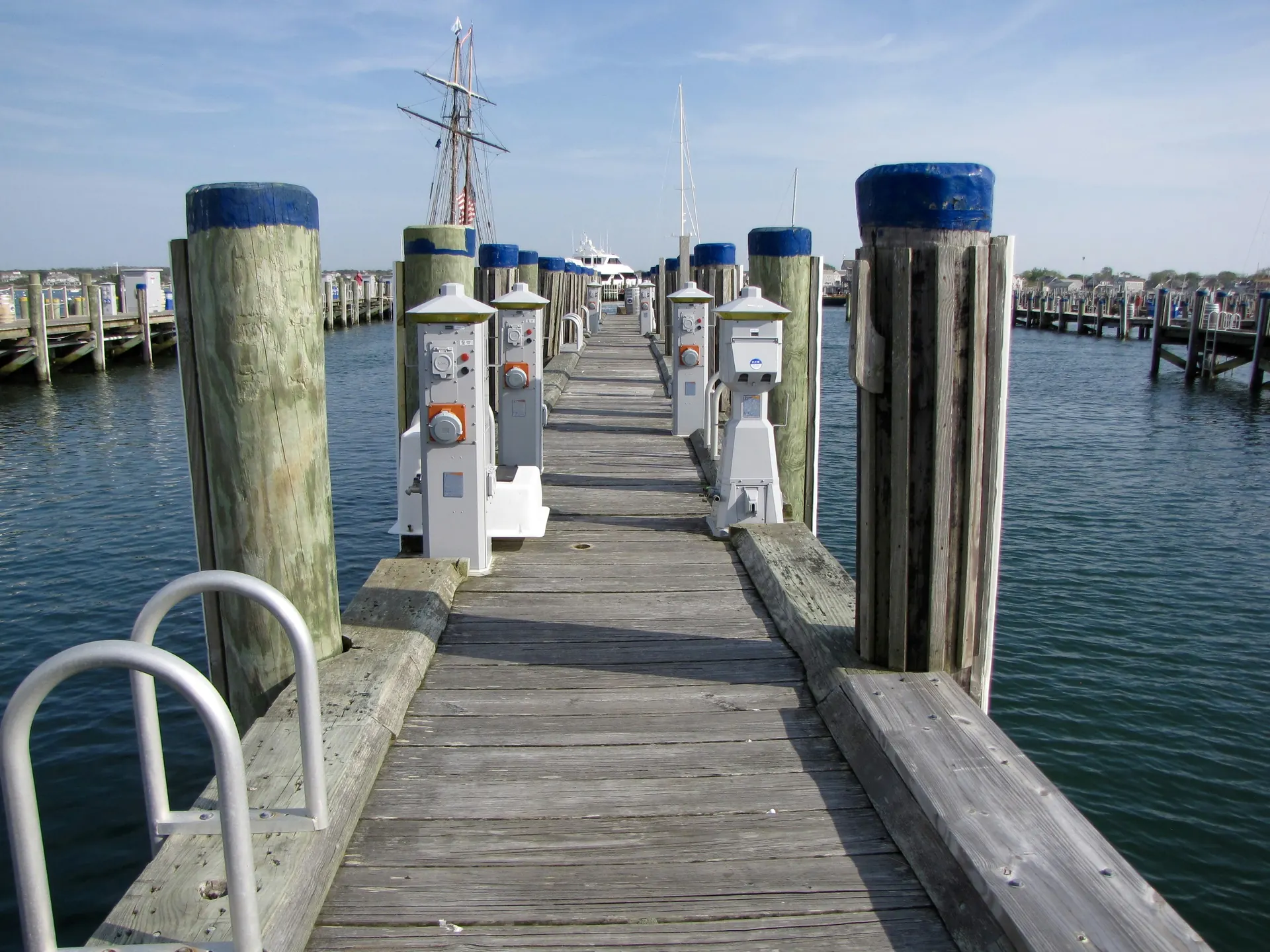
Define the Waterfront Scope
Describe whether the project concerns a walkway, fixed pier, floating dock, or an area serving boats. Include existing lighting, shore-power equipment, and planned structural changes. Clear boundaries help the project team distinguish a lighting improvement from a broader marine electrical assessment.
Review Exposure and Access
Discuss tides, flooding, salt exposure, movement, and safe maintenance access with the designer and electrician. Ask which materials and equipment suit the specific environment and how cables will be protected. Coordinate any local waterfront, conservation, or structural approvals through the appropriate project professionals.
Plan Ongoing Inspection
Ask for a maintenance plan that reflects the installation and seasonal use, including inspection after damage or severe weather. Keep records of repairs and equipment changes. People should not swim near powered docks or marinas; electrical faults in the water can create a serious drowning hazard.
Before You Get An Estimate
- Identify fixed and floating structures in the scope.
- List existing shore-power and lighting equipment.
- Share planned structural or waterfront work.
- Confirm relevant experience and inspection arrangements.
Waterfront and marine work requires a project-specific discussion of qualifications, design, and approvals; this guide does not confirm service availability.
Common Questions
Is ordinary outdoor lighting suitable for a dock?
Not automatically. The actual exposure, mounting conditions, and applicable requirements need assessment. Ask the electrician to explain the equipment selection rather than assuming a weather-resistant label covers every waterfront location.
What if electrical damage is found near the water?
Keep people away and arrange assessment by a qualified professional. If someone may be experiencing electric shock in the water, call emergency services and do not enter the water, where you could also be harmed.