
Build an Accurate Equipment List
Include heating and cooling, water heating, cooking, laundry, vehicle charging, pumps, and substantial tools. Provide model information where available and identify planned additions. Explain how the property is used, including seasonal occupancy or a home business, so the review reflects the intended operation.
Look Beyond Empty Breaker Positions
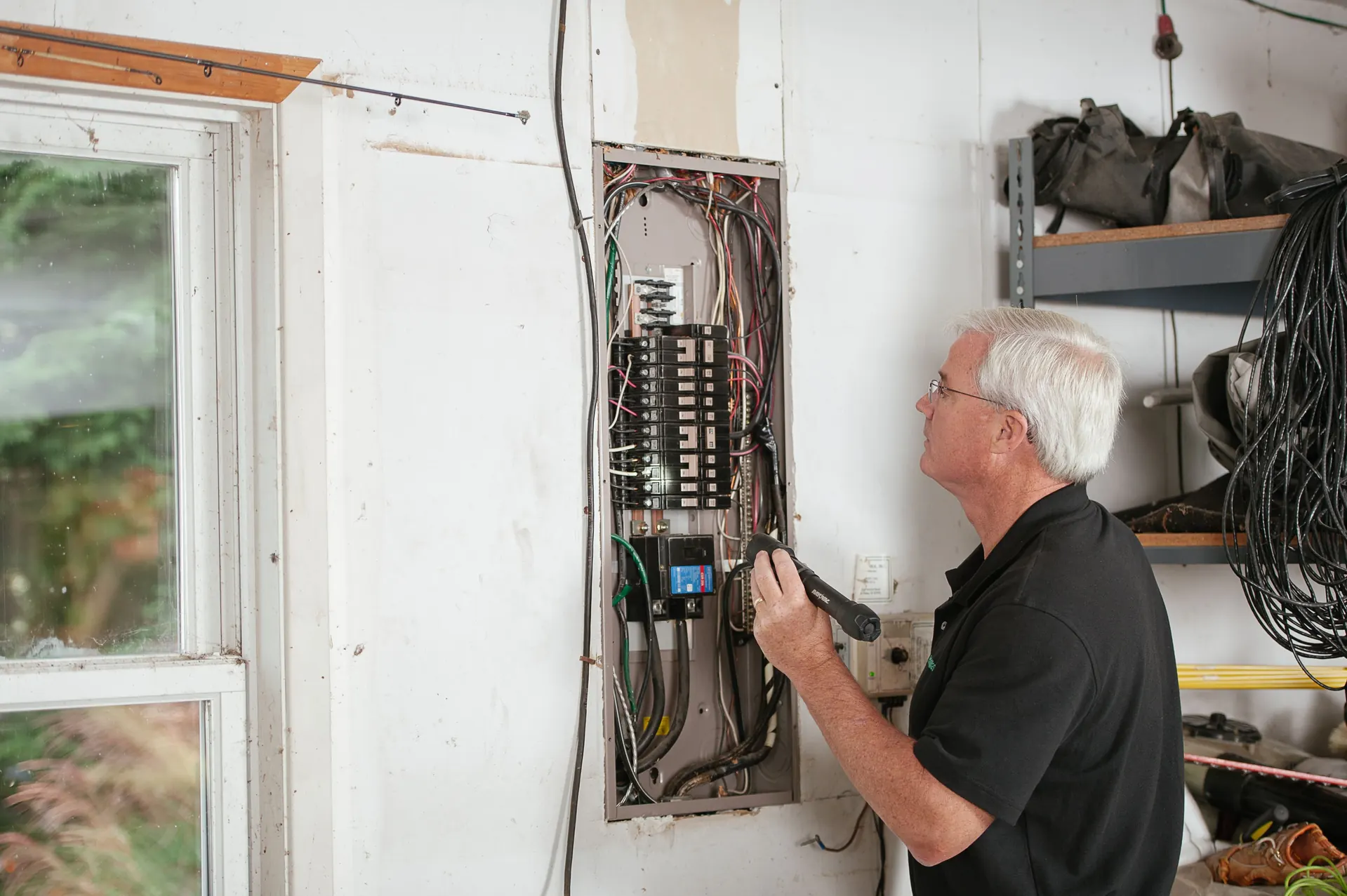
Space in a panel and capacity in the electrical supply are different questions. Ask the electrician how the demand will be assessed and what existing equipment or records must be inspected. A photograph of spare positions alone cannot establish whether a major new load is appropriate.
Compare the Practical Options
Request a clear explanation of the proposed approach and any alternatives. Discuss installation cost, equipment choices, operating constraints, and preparations for future work without assuming one solution always wins. Keep the assessment and final equipment information together so later projects can build on an accurate record.
Before You Get An Estimate
- List installed and proposed major equipment.
- Gather model specifications and existing electrical records.
- Describe simultaneous use and seasonal patterns.
- Ask for written assumptions and recommended options.
Common Questions
Can I estimate capacity by adding breaker numbers?
That does not provide a reliable project assessment. Breaker labels alone do not establish the building’s calculated demand or available supply. Have a qualified electrician evaluate the installation and proposed equipment.
Should the assessment happen before buying an EV charger?
Yes. Share your driving needs and likely charger options early. The review can help determine an appropriate charging arrangement and avoid buying equipment that requires unexpected changes to the installation.