
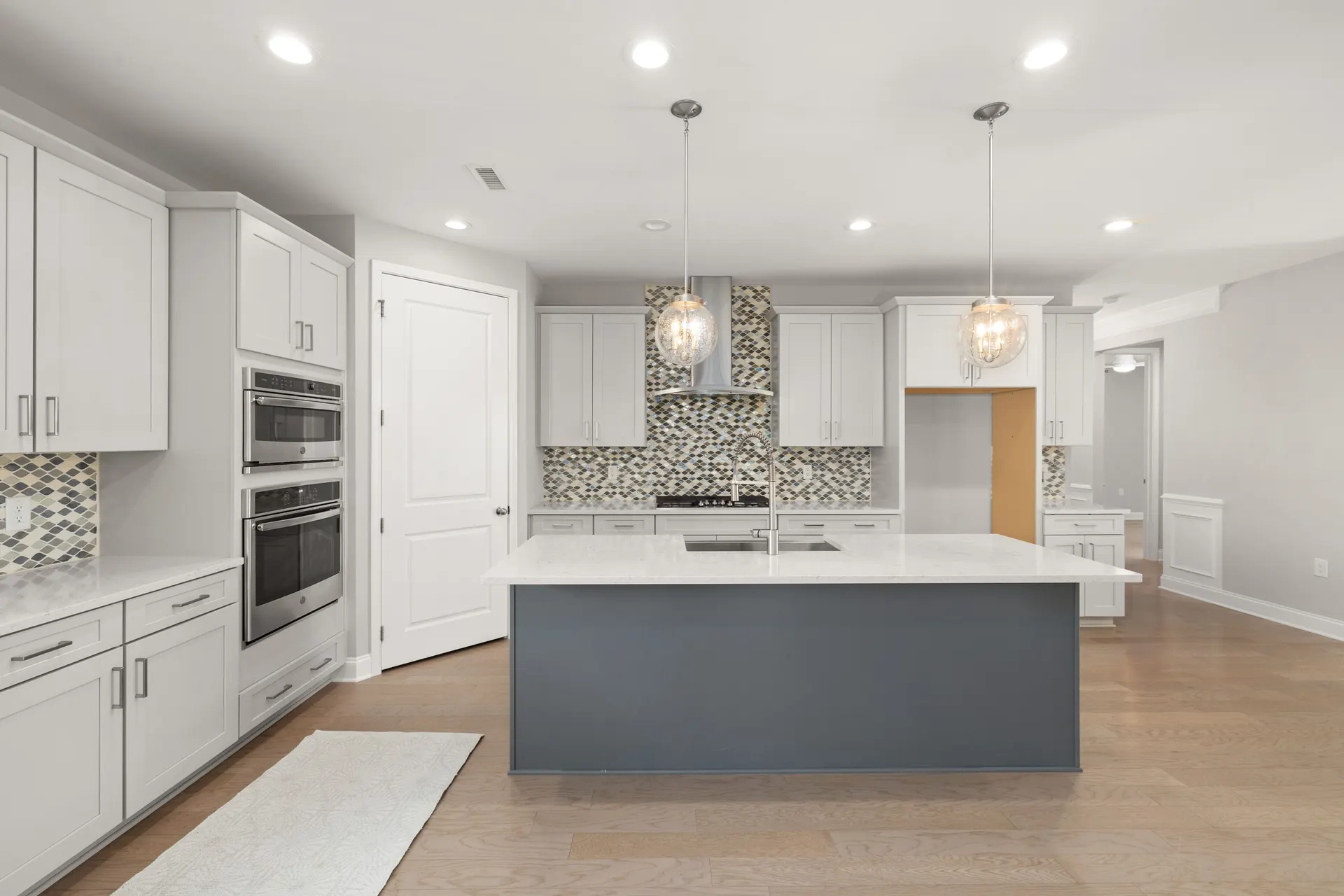
Work From the Activities
Mark counters, desks, reading chairs, mirrors, and circulation routes on a room sketch. Note where existing lighting leaves shadows or creates glare. Discuss the balance between ceiling fixtures, wall lights, and task lighting so the proposal answers specific needs rather than simply adding more fixtures.
Compare Fixtures in Their Setting
Consider light distribution, color appearance, visible brightness, and how fixtures look from normal seated and standing positions. Share samples or model information with the electrician. Decorative fixtures, recessed lights, and LED drivers may have different installation and control requirements that should be settled before ordering.
Coordinate Controls and Access
Choose sensible lighting groups and discuss dimming where useful. Identify ceiling access, insulation, wall finishes, and any other trades needed for installation. Include a final walkthrough with the room furnished as far as practical, allowing control settings and fixture direction to be checked against actual use.
Before You Get An Estimate
- Sketch room activities and furniture positions.
- Identify shadows, glare, and awkward controls.
- Save fixture and lamp model information.
- Agree on access and finish-repair scope.
Common Questions
Should every light in a room use one switch?
That depends on the room. Separate groups can make task lighting and softer evening light easier to use. Describe the situations you want, then choose controls that remain understandable to everyone.
Can existing recessed lights simply become LEDs?
Compatibility depends on the existing housing, selected product, controls, and installation conditions. Ask the electrician to assess the proposed change and any limitations before purchasing replacement lamps or retrofit components.