
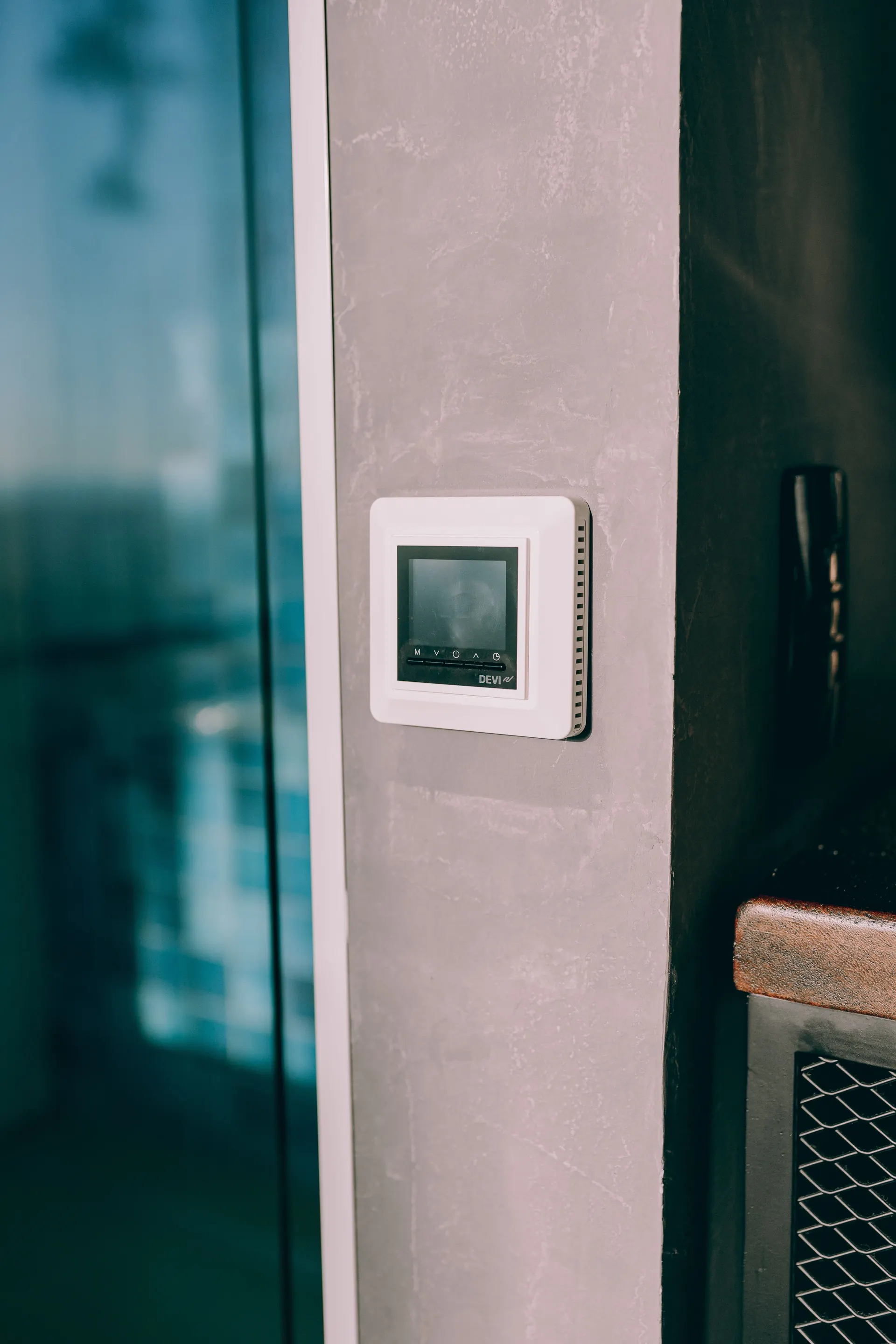
Identify the Heating and Cooling Arrangement
Gather equipment model information and describe separate zones, heat pumps, boilers, or other controls already in use. Tell the installer what you want to improve, such as scheduling or remote access. Product compatibility should be checked against the system rather than inferred from the thermostat’s appearance.
Review Control Power and Wiring
Some thermostat and system combinations need additional control power or a compatible accessory. Ask the qualified installer to assess the selected model and existing arrangement using the manufacturer’s documentation. Do not choose connections by wire color or open heating equipment to investigate the controls yourself.
Check Comfort and Remote Features
Request a demonstration of the relevant heating and cooling functions, schedules, and authorized app access. Ask who handles follow-up if temperatures or equipment behavior are unexpected. Keep the original system information and final settings so future maintenance does not depend on remembering how the thermostat was configured.
Before You Get An Estimate
- Gather heating, cooling, and zone-control models.
- Describe comfort issues and desired schedules.
- Confirm installer roles and product compatibility.
- Request system-operation and account-access demonstrations.
Common Questions
Will a smart thermostat work with every heating system?
No. Compatibility varies by thermostat model and system arrangement. Have the selected product checked against the actual equipment, including zoning and any proprietary controls, before purchase or installation.
Does a smart thermostat guarantee lower energy bills?
No. Results depend on the building, equipment, settings, weather, rates, and household use. Choose useful control features and confirm correct operation without relying on a guaranteed savings claim.