Start With the Nameplate and Documentation
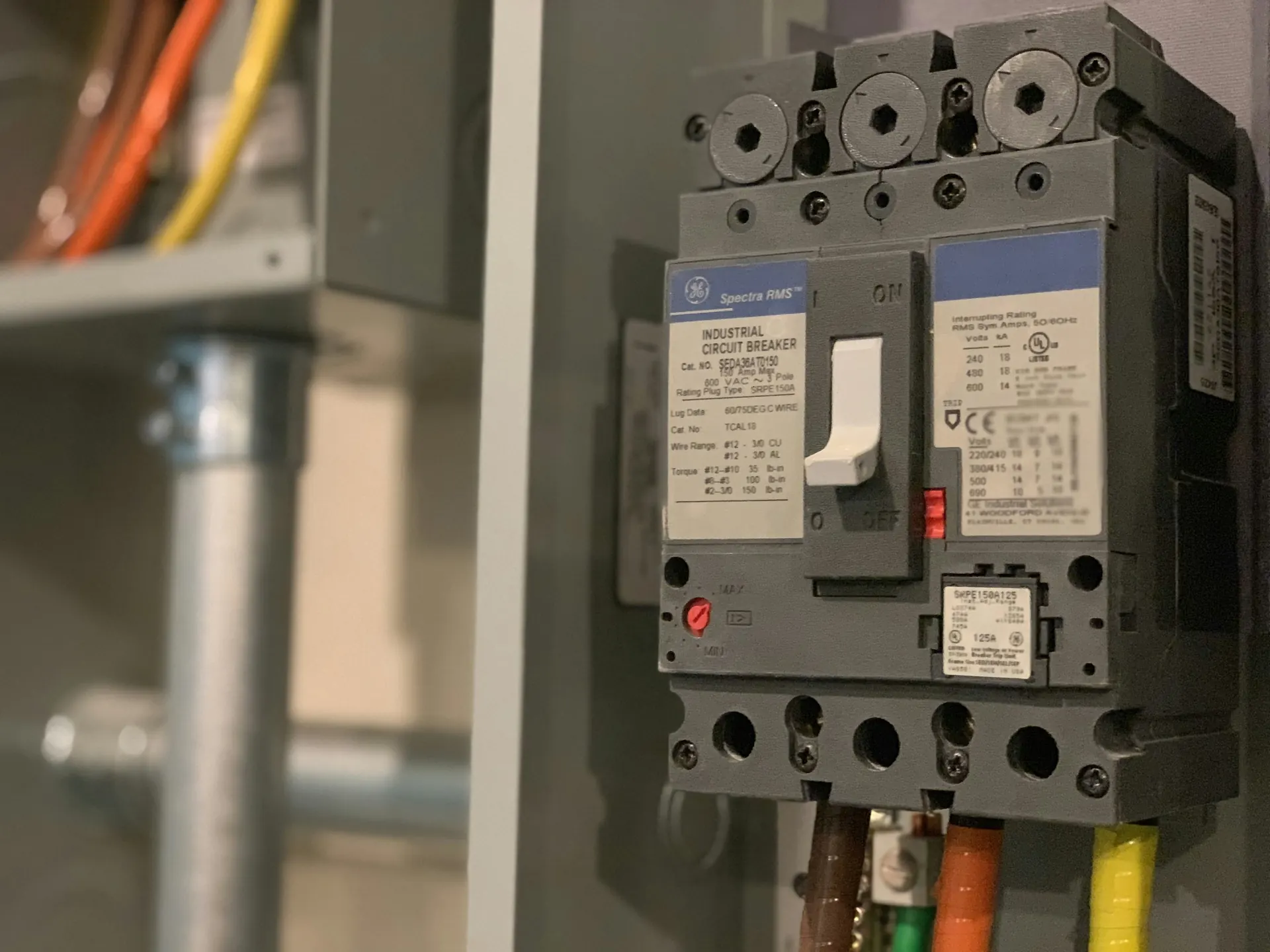
Provide a clear photograph of the equipment nameplate taken without opening an enclosure, plus the manufacturer’s installation documents. Include accessories and control requirements. Ask the electrician to compare the specified supply with the building’s actual installation before assuming a plug or adapter will resolve compatibility.
Check the Building Side
The review should consider available electrical capacity, distribution equipment, the connection route, and the conditions where the machine will operate. Ask whether utility involvement or engineering input is needed. A seller’s assurance that equipment works elsewhere does not establish that the receiving building can support it.
Assign Startup and Operational Checks
Clarify who makes the electrical connection, who commissions the machine, and who verifies process controls and operating functions. Plan any shutdown and access requirements around the business. Keep equipment documents, circuit records, and provider contacts together so later service begins with accurate information.
Before You Get An Estimate
- Collect nameplate photos and installation documents.
- List accessories and controls supplied separately.
- Confirm the equipment’s intended final location.
- Assign electrical and manufacturer startup responsibilities.
Common Questions
Can three-phase equipment work in any commercial building?
No. Commercial premises do not all have the same supply. The electrician should verify the building and machine requirements and explain any feasible options before you commit to the purchase or installation.
Is matching the voltage enough?
No. Phase, capacity, protection, controls, and manufacturer requirements also matter. Have the complete specification reviewed; do not use an improvised connection or assume a similar-looking connector establishes compatibility.