
Map Equipment and Movement
Show storage racks, loading areas, workstations, machinery, and pedestrian routes. Include the height and use of each area when discussing lighting. Identify charging or maintenance activities separately so their equipment and environmental requirements can be reviewed instead of being treated as ordinary convenience outlets.
Review Machinery Requirements
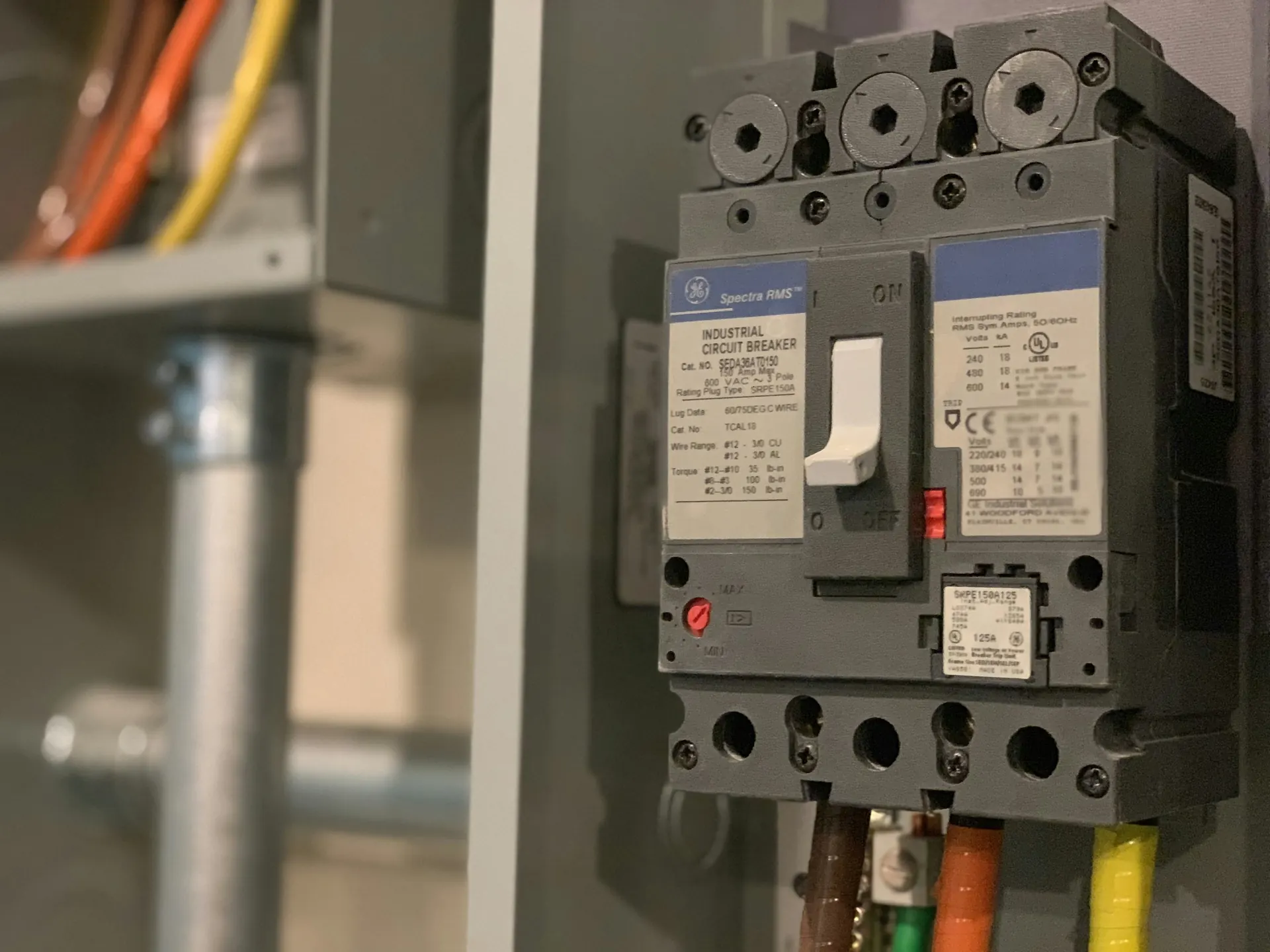
Provide nameplate and installation information for each machine, including supplier requirements for startup and controls. Ask the electrician to assess the available supply, connection arrangements, and access for maintenance. Any specialized process or hazardous environment should be identified to the design team at the outset.
Keep the Installation Maintainable
Discuss how equipment locations, isolation arrangements, and electrical working areas will remain accessible as storage changes. Plan installation and shutdowns around operations. Request circuit identification, drawings where appropriate, and a clear division of responsibility between the electrician, equipment supplier, and facility maintenance team.
Before You Get An Estimate
- Provide machinery specifications and floor layouts.
- Mark pedestrian, forklift, and loading routes.
- Describe charging, dust, moisture, or process conditions.
- Agree on shutdown and equipment-startup responsibilities.
Common Questions
Can a machine be moved without reviewing its electrical supply?
A move can change connection routes, access, and installation conditions. Share the proposed layout with the electrician and equipment supplier before relocating it, even if the machine itself is unchanged.
Should high-level lighting maintenance be included in planning?
Yes. Discuss safe access and the effect of racks, stock, or machinery on future maintenance. Equipment selection and layout should support practical servicing, with responsibilities and operating interruptions understood in advance.