
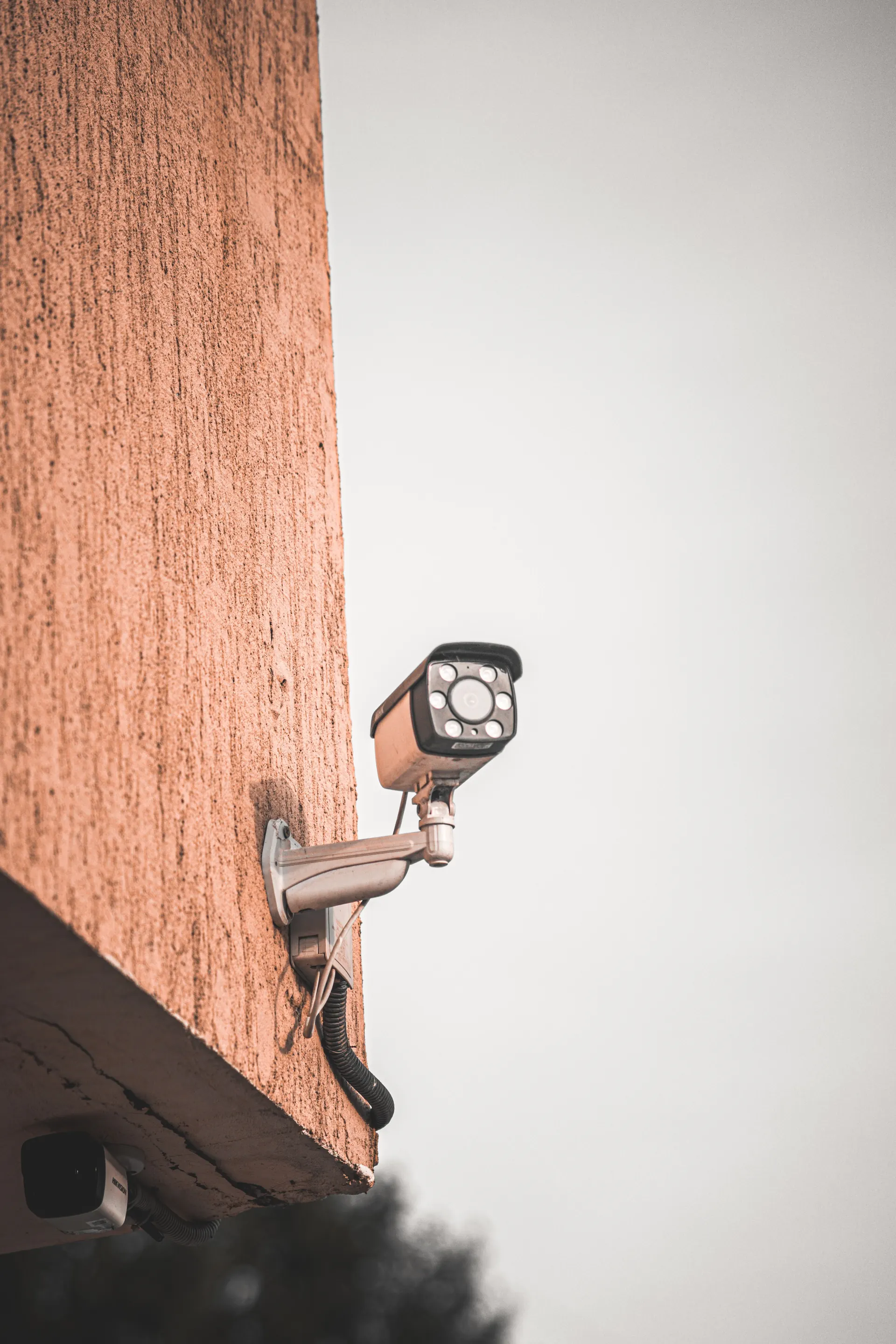
Define What the System Should Detect
Mark doors, accessible windows, outbuildings, and areas with unusual use patterns. Explain how cleaners, guests, or employees enter and leave. Discuss the proposed detection approach with the specialist, including how the system will accommodate normal activity without relying on occupants to work around inconvenient settings.
Separate Alerts From Monitoring
Ask what happens when a sensor activates, who receives the signal, and whether a separate monitoring agreement is required. Discuss communication and power interruptions using the actual product documentation. Avoid assuming that an app notification means someone else is watching the system or arranging a response.
Keep Control of Access and Support
Use an owner-controlled account and agree on how installer access will be managed after handover. Request training, documentation, and a process for adding or removing users. Confirm applicable Massachusetts qualifications for security-system work and identify who handles repairs, subscriptions, and future changes.
Before You Get An Estimate
- Sketch entrances and areas needing detection.
- Describe occupants, pets, and access routines.
- Choose the intended alert or monitoring arrangement.
- Confirm credentials, account ownership, and support terms.
Common Questions
Does an alarm guarantee that a break-in will be prevented?
No. Discuss the system’s intended detection and notification functions without treating it as a guarantee. Physical security, user practices, maintenance, and the agreed response arrangements also affect the overall approach.
Can monitoring be added later?
Possibly, but equipment and communication compatibility matter. Ask the prospective provider before choosing hardware, and keep any installation work separate from assumptions about future contracts or service availability.