
Use the HVAC Design and Final Equipment
Provide model specifications for outdoor units, indoor equipment, and any auxiliary heating or accessories. Ask the HVAC contractor to identify all electrical requirements rather than only the main unit. Confirm proposed locations and service access before the electrician plans routes or quotes the connection work.
Review Capacity Alongside Other Projects
Discuss the home’s existing heating, cooking, water heating, and vehicle-charging plans as part of the assessment. Ask whether new circuits, panel work, load management, or a service change is needed. The answer should follow the actual equipment and building rather than a blanket rule for all heat pumps.
Coordinate Startup and Controls
Agree on who completes the electrical installation, who commissions the HVAC equipment, and who verifies controls and auxiliary functions. Plan the schedule around existing heating needs. Request the final equipment information, circuit identification, and support contacts so comfort or operating issues reach the right provider.
Before You Get An Estimate
- Gather complete HVAC equipment and accessory specifications.
- Confirm indoor and outdoor equipment locations.
- Share other planned electrification or charging projects.
- Assign electrical, controls, and HVAC startup roles.
Common Questions
Does installing a heat pump always require a larger panel?
No. The existing installation and selected equipment need assessment. A larger panel or service may be one option, but it should not be assumed before the electrical demand and available capacity are reviewed.
Is the thermostat included in the electrical scope?
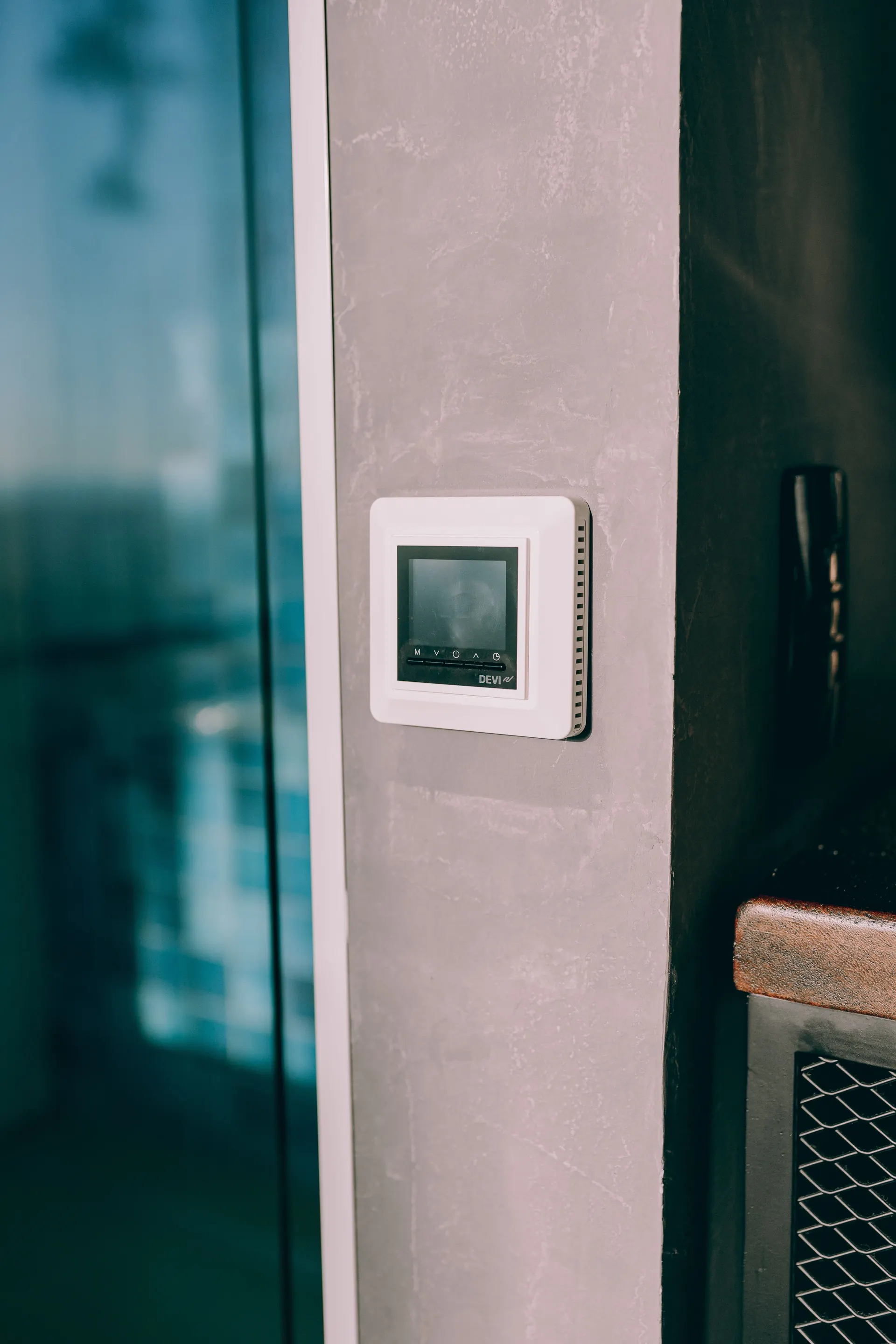
Confirm that explicitly. Thermostat selection, control wiring, configuration, and heating-system commissioning may belong to the HVAC contractor or another provider. The finished scope should identify who tests the complete control arrangement.