
Identify the Endpoints
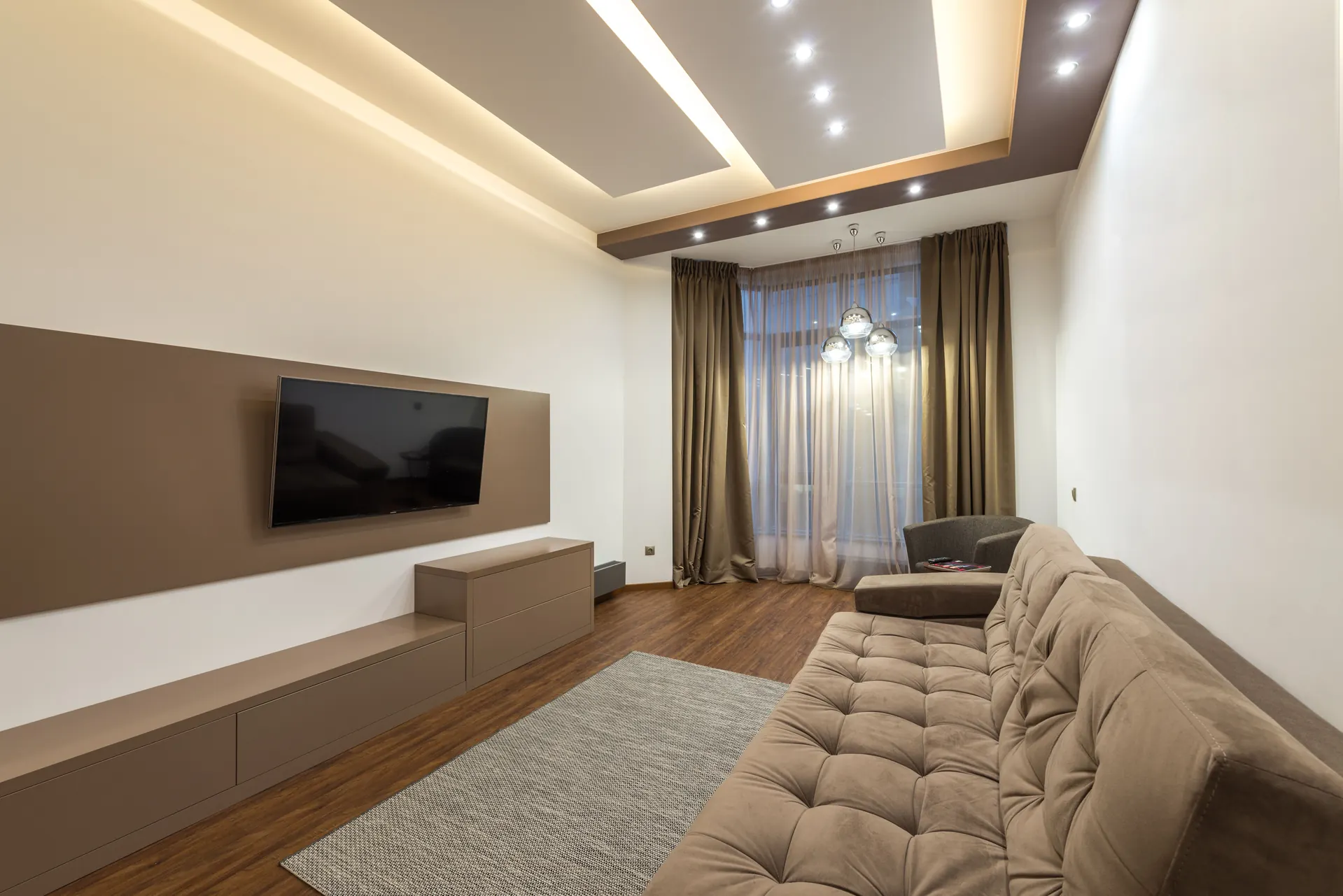
Mark desks, televisions, access points, cameras, and any planned control equipment on the drawings. Ask the system provider what each endpoint requires before choosing cable or connectors. Include potential future locations thoughtfully, without assuming that one cable type is suitable for every signal or power arrangement.
Coordinate Routes With Other Trades
Agree on equipment locations, access, and pathways before walls close. Cable routing, support, separation, and treatment of building penetrations should be handled by qualified installers using the applicable requirements. Coordinate the work with electrical and building trades so later changes do not undo a completed installation.
Request Labels and Meaningful Test Records
A useful handover identifies both ends of each connection and records the agreed testing. Ask what the test actually establishes and which equipment setup remains separate. Keep the layout and results with the property records so future troubleshooting does not start with unidentified cables.
Before You Get An Estimate
- Provide a plan of current and future endpoints.
- Gather equipment connection requirements from suppliers.
- Choose an accessible central equipment location.
- Specify labeling and test records in the scope.
Common Questions
Is a cable tester’s pass the same as a working system?
No. Cable testing and complete system commissioning answer different questions. Ask for the agreed cable-test evidence and a separate demonstration of the actual network, camera, or entertainment functions included in the project.
Can spare pathways be useful even without installed devices?
Yes, where future plans and building access justify them. Discuss the intended use, route, and accessible endpoints so the preparation is deliberate rather than an unspecified promise of unlimited future compatibility.