

From backup priorities to a complete proposal
- 01
Choose your priorities
List the systems you want to support during an outage.
- 02
Plan the property
Coordinate location, fuel supply and transfer equipment.
- 03
Agree on the handover
Confirm installation, testing, maintenance and support responsibilities.
Planning overview. Exact equipment and installation requirements depend on the property and selected model.
How automatic backup fits together
Three stages of a typical automatic standby arrangement.
Utility available
The home normally uses utility power. A properly configured standby system monitors the utility supply.
Outage response
After the system detects an outage and meets its operating conditions, the generator starts and the automatic transfer equipment supplies the planned backup circuits. There is an interruption; this is not an uninterruptible power supply.
Utility restored
Once utility power is stable according to the system settings, the transfer equipment returns the circuits to utility power. The generator follows its programmed shutdown sequence.
Conceptual sequence, not a wiring diagram or product simulator. Timing, load management and behavior depend on the installed system. Keep a separate continuity plan for critical needs.
Write a Short Outage Brief
Describe the outcome you want in ordinary terms: keep the refrigerator cold, maintain the heating system, operate the well pump, or support a few occupied rooms. Separate essential functions from conveniences you can postpone. Include any equipment with particular power requirements, and say whether the house is normally occupied when storms arrive.
For a Cape Cod seasonal property, add an access plan. Identify who holds keys, who can meet a technician, and who is responsible for checking the house after an alert. If visitors or tenants use the home, the operating information should be understandable to someone who did not attend the installation handoff.
Have the Electrical and Site Conditions Assessed
The survey should establish the existing service and panel arrangement, the proposed circuits, major motor loads and any changes already planned. An older addition, separate outbuilding or recently installed heat pump can change the scope. The aim is a recorded set of assumptions, not a generator recommendation based only on square footage.
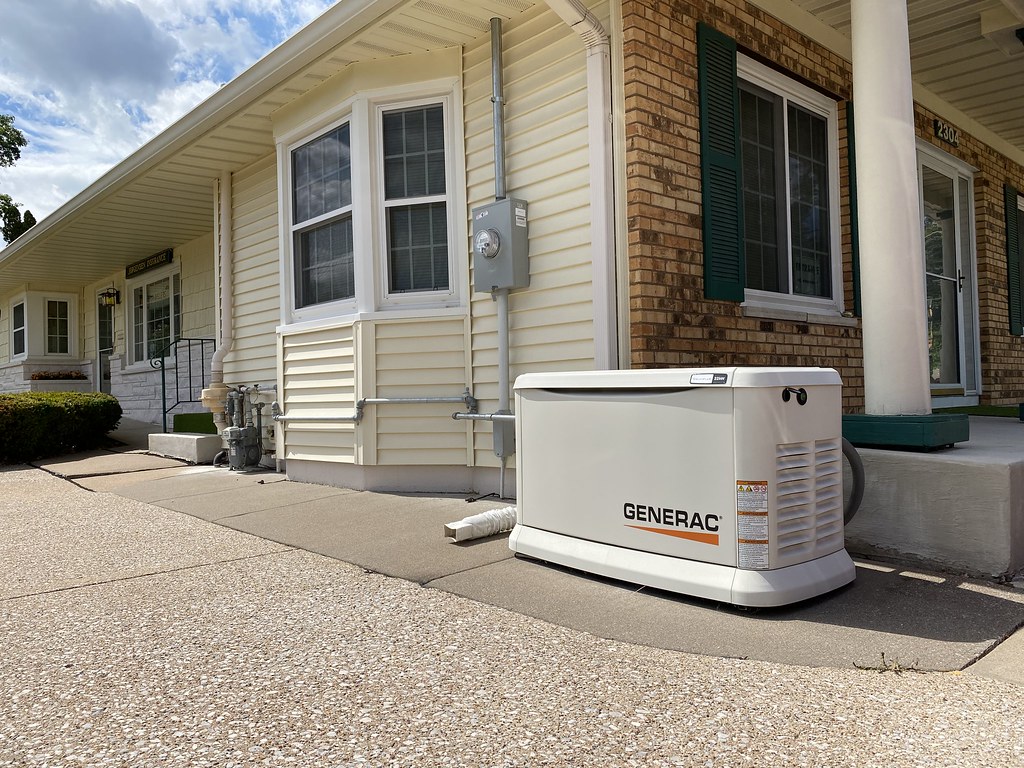
Outside, the installer needs to evaluate candidate locations against the unit’s installation manual and applicable local requirements. Doors, windows, vents, airflow, drainage, neighboring buildings and maintenance access all deserve attention. Discuss exposure to flooding or storm water before selecting the base or equipment position. Do not treat a photograph of another installation as a clearance template.
Confirm Fuel and Project Responsibilities
Ask who will assess and complete the fuel work, and who will coordinate required permits and inspections with the relevant local authorities. Natural-gas availability, propane storage and the demands of other appliances are separate from the generator’s electrical rating. The proposed system needs both a suitable electrical design and an adequate fuel supply.
For an occupied home, ask how installation access and any planned electrical interruption will be handled. Groundwork, equipment delivery and restoration of disturbed surfaces should have a named owner. These questions help compare proposals without relying on a promised universal installation time.
Read the Proposal as a Complete System
The proposal should identify the generator and transfer equipment, the backup circuits, any load-management devices, and what happens when demand exceeds the planned priorities. If a circuit is excluded or may be temporarily shed, that should be clear before installation. Ask whether the quote includes necessary supporting electrical or fuel work.
Compare the included work rather than only the equipment price. A useful scope also addresses site preparation, installation, commissioning, documentation and any optional monitoring. Confirm who supports each component afterward. Do not assume that a manufacturer’s advertised promotion, warranty offer or dealer service package applies to a separate contractor’s proposal.
Agree on Commissioning and Handoff
Ask the responsible professional to demonstrate the system’s intended outage and return-to-utility behavior, including any load-management restrictions. This is a professional commissioning task, not a homeowner wiring exercise. A scheduled engine exercise and a test of the home’s actual backup arrangement answer different questions.
Keep a copy of the equipment model and serial information, manuals, circuit schedule, completed inspection records where applicable, registration and warranty documents. Request a clear explanation of normal status indications, whom to contact about faults, and the maintenance schedule for the exact model. Do not rely on a generic schedule from a different generation of equipment.
Set Up a Realistic Ownership Plan
If monitoring is included, confirm the owner’s account, supported connection, alert recipients and any subscription responsibility. Generac separates Mobile Link monitoring from automatic generator operation; loss of an app connection is not, by itself, proof that the generator cannot run. Monitoring also does not replace a local response plan.
Keep working carbon monoxide alarms and an emergency plan. A standby generator is not uninterrupted power and is not intended for life-saving medical equipment. If you use a portable generator in the meantime, follow CPSC outdoor-placement guidance and its manufacturer’s instructions; never operate it inside a garage or other enclosure.
To begin, send J. Hall Electric the property location, your outage brief and details of existing equipment. Ask which parts of the installation can be included and which need specialist coordination. Confirm island availability, access constraints and service arrangements before treating a survey date as booked.
Common questions
What can I prepare before the site visit?
List the equipment you want backed up, its priority, the heating type and known fuel arrangements. Gather existing manuals and accessible model labels. Leave panel covers and equipment compartments in place.
Who obtains permits and arranges inspections?
Have those responsibilities identified in the proposal. The electrical and fuel professionals should confirm the requirements for the specific town, property and installation.
Can my existing transfer switch be reused?
Possibly, after a professional checks its model, rating, condition and compatibility with the proposed generator and service arrangement. A matching brand name alone does not establish suitability.
What should I receive when the project is complete?
Request system identification, a backed-up circuit list, operating limits, applicable inspection records, manuals, registration and warranty information, commissioning results and the maintenance contact and schedule.
Continue planning
Let’s plan your backup power
Tell us your town, the equipment you want to support and whether you already have a generator. We’ll confirm project scope and availability with you.
Manufacturer and local resources
Planning information checked against these sources on November 23, 2026. Confirm current model details, requirements and project scope before buying equipment.
- Generac: Site Selection and Clearance Requirements
- Generac: Professional Standby Sizing Tool
- Generac: Automatic Transfer Switches
- Generac: Finding the Correct Maintenance Schedule
- Generac: Home Standby Warranty Coverage and Service
- Generac: Mobile Link and Automatic Generator Operation
- Generac: Limits for Life-Saving Medical Equipment
- CPSC: Generator and Carbon Monoxide Safety, May 27, 2026
- Massachusetts Department of Fire Services: Generator Safety
Generac and its logo are trademarks of Generac Power Systems, Inc. Brand names and artwork identify the equipment discussed. J. Hall Electric is independent; no authorized-dealer status, warranty-service authorization or manufacturer endorsement is claimed. Image and logo credits.