

From backup priorities to a complete proposal
- 01
Choose your priorities
List the systems you want to support during an outage.
- 02
Plan the property
Coordinate location, fuel supply and transfer equipment.
- 03
Agree on the handover
Confirm installation, testing, maintenance and support responsibilities.
Planning overview. Exact equipment and installation requirements depend on the property and selected model.
How automatic backup fits together
Three stages of a typical automatic standby arrangement.
Utility available
The home normally uses utility power. A properly configured standby system monitors the utility supply.
Outage response
After the system detects an outage and meets its operating conditions, the generator starts and the automatic transfer equipment supplies the planned backup circuits. There is an interruption; this is not an uninterruptible power supply.
Utility restored
Once utility power is stable according to the system settings, the transfer equipment returns the circuits to utility power. The generator follows its programmed shutdown sequence.
Conceptual sequence, not a wiring diagram or product simulator. Timing, load management and behavior depend on the installed system. Keep a separate continuity plan for critical needs.
Build your backup-power plan
Generac planning by town and island
Find local planning questions and municipal resources. Island transport, access and project availability are confirmed before booking.
Decide What Backup Power Needs to Do
A useful first conversation is about what happens when the lights go out. Which rooms need lighting? Does the heating system depend on electric controls or pumps? Is there a sump pump, private well, refrigeration or other equipment you want included? List these needs before choosing a generator by its advertised size.
For a year-round home, consider how the household can adjust during an outage. For a seasonal home, consider who can check the property, receive alerts and arrange service. An automatic system can reduce the need to be present at startup, but it does not remove fuel, maintenance or response responsibilities.
Understand Standby Power
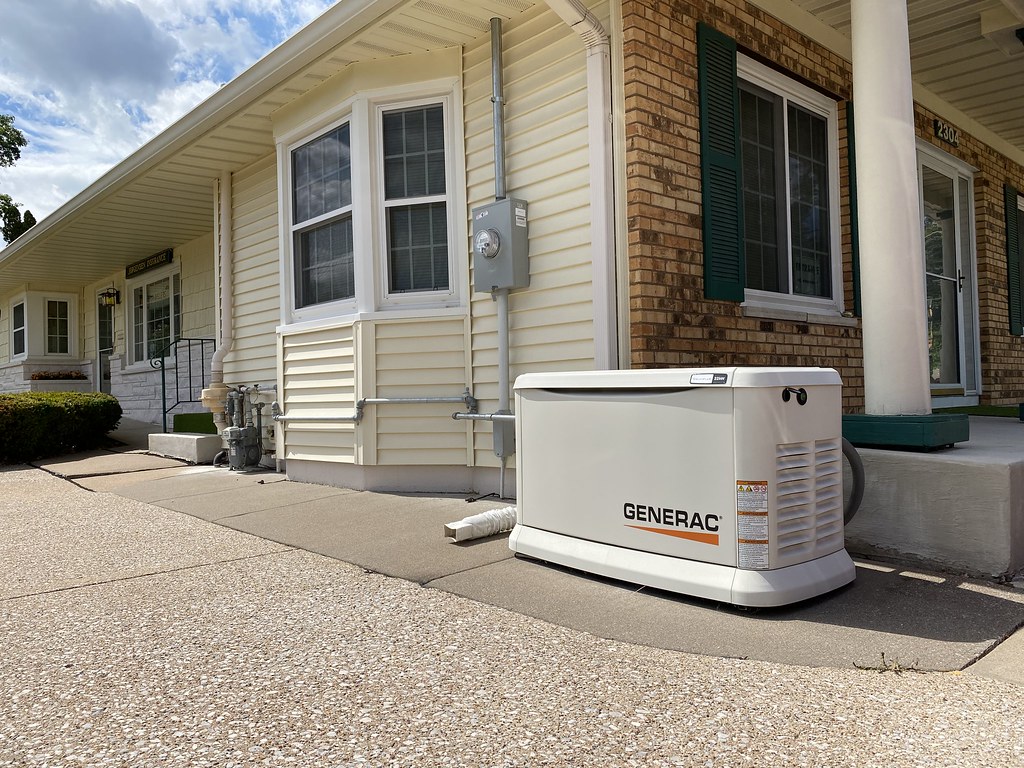
A Generac home standby generator is permanently installed outside. With compatible automatic transfer equipment, it can start when utility power fails and supply the circuits included in the design. When utility power returns, the system transfers back. The selected equipment, electrical design and available fuel determine what it can support.
Automatic operation includes a transition; it is not uninterrupted power. Generac says its residential standby and portable generators are not intended for life-saving medical equipment. If that is part of your household’s needs, discuss a separate continuity plan with the equipment provider, care team and qualified power-system professional.
Match the Design to the Property
Sizing needs more than floor area or the amperage printed on the electrical panel. Heating and cooling equipment, motor starting demand and the appliances expected to operate together all matter. A proposal should distinguish circuits that remain available, loads that may be temporarily paused, and equipment excluded from backup.
The site review also needs to consider building openings, air intakes, neighboring property, drainage, potential flooding and service access. On a coastal or exposed property, discuss environmental conditions and the installation requirements for the exact unit. A preferred spot beside a fence or shed is only a starting suggestion, not an approved location.
Include Fuel and Transfer Equipment in the Scope
Home standby models commonly use natural gas or propane, with the exact fuel arrangement confirmed for the selected unit. Existing gas service or a propane tank does not establish that the supply is adequate. A qualified fuel professional should assess capacity, the proposed route and other appliances drawing from the supply.
Transfer equipment separates the utility source from generator power. Massachusetts fire-safety guidance warns that an improper connection can endanger utility workers. Have the design and installation handled by a licensed electrician; never plug a generator into a household outlet to feed the house.
Plan for Ownership After Installation
Ask what commissioning and handoff will include: the backed-up circuit list, operating limitations, demonstrated transfer behavior, manuals, registration details and the correct maintenance schedule. Keep the system records with your property documents so a future technician can identify the equipment without guessing.
Remote monitoring may help an owner who is off Cape, but it needs compatible equipment, an appropriate connection and clear responsibility for responding to alerts. Ask whether any monitoring or service plan is included and who provides it. An app notification is not a promise of automatic dispatch or emergency attendance.
Request a Property-Specific Review
Send J. Hall Electric your town, whether the home is occupied year-round, and a short list of the systems you want backed up. Mention existing generator equipment, heating type, fuel supply and planned changes such as a heat pump or EV charger. Photos of accessible equipment labels can help; do not remove electrical covers.
The next step is to confirm the electrical scope, site-survey needs and any fuel or generator-specialist coordination. Ask for a written proposal that identifies equipment, responsibilities and exclusions. Island travel, scheduling and ongoing service arrangements should be confirmed for the address before booking.
Common questions
Will a standby generator power everything in my house?
Only if the complete system is designed for that demand. Some projects back up selected circuits; others use load management to prioritize equipment. The written design should state what is included and any operating limits.
Can I choose the generator before a survey?
You can discuss preferred products, but sizing, fuel capacity and a suitable location should be checked before equipment is ordered. An online estimate does not settle those questions.
Do I need to be home when an outage starts?
A properly commissioned automatic standby system can operate while you are away. You still need a plan for fuel, maintenance, alerts and someone who can respond if a problem occurs.
Does this inquiry include authorized warranty service?
Ask for the proposed service arrangement in writing. Installation planning, routine maintenance and manufacturer-authorized warranty repair are different scopes; a Generac brand reference does not establish dealer authorization.
Continue planning
Let’s plan your backup power
Tell us your town, the equipment you want to support and whether you already have a generator. We’ll confirm project scope and availability with you.
Manufacturer and local resources
Planning information checked against these sources on November 23, 2026. Confirm current model details, requirements and project scope before buying equipment.
- Generac: What Is a Standby Generator?
- Generac: What Size Generator Do I Need?
- Generac: Site Selection and Clearance Requirements
- Generac: Automatic Transfer Switches
- Generac: Limits for Life-Saving Medical Equipment
- Massachusetts Department of Fire Services: Generator Safety
- Generac: Mobile Link and Automatic Generator Operation
- Generac: Home Standby Warranty Coverage and Service
Generac and its logo are trademarks of Generac Power Systems, Inc. Brand names and artwork identify the equipment discussed. J. Hall Electric is independent; no authorized-dealer status, warranty-service authorization or manufacturer endorsement is claimed. Image and logo credits.